
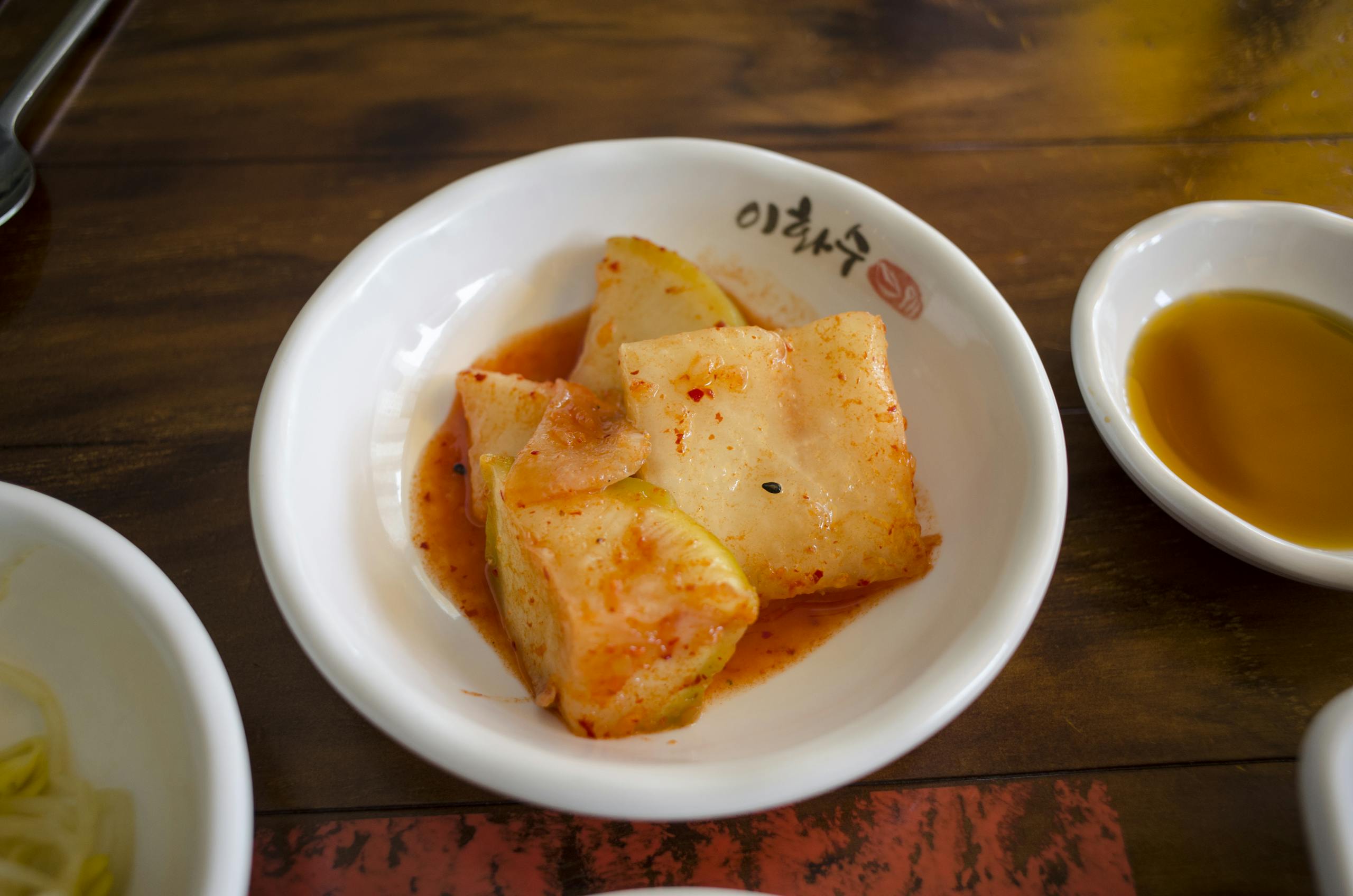
Hello Ravers, this week we continue our self-care, fermented foods series. We have already gone over the myriad benefits of including fermented foods in your diet, and really helps with your Festival Recovery routine. Some of my favourite benefits that I find most beneficial for festival preparation and recovery are as follows. Supporting gut health, improved nutritional value, heart health support, blood sugar management. Healthy weight management and suppression of inflammation. So without any further waffle lets dive in and explore this ancient Korean super food and make your Festival Recovery an easy affair.










The Recipe Ingredients
1 medium head napa cabbage (about 2 pounds)
1/4 cup iodine-free sea salt or kosher salt
Water, preferably distilled or filtered
1 tablespoon grated garlic (5 to 6 cloves)
1 teaspoon grated peeled fresh ginger
1 teaspoon granulated sugar
2 tablespoons fish sauce or salted shrimp paste, or 3 tablespoons water
1 to 5 tablespoons Korean red pepper flakes (these are called gochutgaru in stores)
8 ounces Korean radish or daikon radish, peeled and cut into matchsticks
4 medium scallions, trimmed and cut into 1-inch pieces
The Equipment
Cutting board and knife
Large bowl
Gloves (optional but highly recommended)
Plate and something to weigh the kimchi down, like a jar or can of beans
Colander
Clean 1-quart jar with canning lid or plastic lid
Bowl or plate to place under jar during fermentation
The Recipe Technique
Cut the cabbage
Cut the cabbage lengthwise through the stem into quarters. Cut the cores from each piece. Cut each quarter crosswise into 2-inch-wide strips.
Salt the cabbage
Place the cabbage in a large bowl and sprinkle with the salt. Using your hands, massage the salt into the cabbage until it starts to soften a bit. Add enough water to cover the cabbage. Put a plate on top of the cabbage and weigh it down with something heavy, like a jar or can of beans. Let stand for 1 to 2 hours.
Rinse and drain the cabbage
Rinse the cabbage under cold water 3 times. Set aside to drain in a colander for 15 to 20 minutes. Meanwhile, make the spice paste.
Make the spice paste
Rinse and dry the bowl you used for salting. Add the garlic, ginger, sugar, and fish sauce, shrimp paste, or water and stir into a smooth paste. Stir in the gochutgaru, using 1 tablespoon for mild and up to 5 tablespoons for spicy (I like about 3 1/2 tablespoons); set aside until the cabbage is ready.
Combine the vegetables and spice paste
Gently squeeze any remaining water from the cabbage and add it to the spice paste. Add the radish and scallions.
Mix thoroughly
Using your hands, gently work the paste into the vegetables until they are thoroughly coated. The gloves are optional here but highly recommended to protect your hands from stings, stains, and smells!
Pack the kimchi into the jar
Pack the kimchi into a 1-quart jar. Press down on the kimchi until the brine (the liquid that comes out) rises to cover the vegetables, leaving at least 1 inch of space at the top. Seal the jar.
Let it ferment for 1 to 5 days
Place a bowl or plate under the jar to help catch any overflow. Let the jar stand at cool room temperature, out of direct sunlight, for 1 to 5 days. You may see bubbles inside the jar and brine may seep out of the lid.
Check it daily and refrigerate when ready.
Check the kimchi once a day, opening the jar and pressing down on the vegetables with a clean finger or spoon to keep them submerged under the brine. (This also releases gases produced during fermentation.) Taste a little at this point, too! When the kimchi tastes ripe enough for your liking, transfer the jar to the refrigerator. You may eat it right away, but it’s best after another week or two.
Recipe Notes
Salt: Use salt that is free of iodine and anti-caking agents, which can inhibit fermentation.
Water: Chlorinated water can inhibit fermentation, so use spring, distilled, or filtered water if you can.
Seafood flavour and vegetarian alternatives: Seafood gives kimchi an umami flavour. Different regions and families may use fish sauce, salted shrimp paste, oysters, and other seafood. Use about 2 tablespoons of fish sauce, salted shrimp paste, or a combination of the two. For vegetarian kimchi, I like using 3/4 teaspoon kelp mixed with 3 tablespoons water, or simply 3 tablespoons of water.
Storage: Kimchi can be refrigerated for up to a few months. Use clean utensils each time to extract the kimchi from the jar.
Wrapping up
I hoped you enjoyed this weeks recipe your Festival Recovery will thank you for it. As it takes some time to finish fermenting make it well ahead of time. Bring a pot in your chilly bin to your next festival. And keep a batch in the fridge at home to come back to! Peace, love and unicorns








Leave a Reply
You must be logged in to post a comment.